
Happy new year.
Welcome back to this write-up. It’s been a minute since I set foot here, but let’s see how we reset. Hopefully, I will stick around a little bit longer, if not often.
The year is 2026, in the early heart of January. Everyone is resetting differently. I chose not to name this particular blog’ goal setting’ just to be a bit clichéd, and hope that the word ‘reset’ will resonate with us, especially.
I thought to myself, why is it that our goals often never come to fruition sometimes? We are the best planners; however, when it comes to the ultimate execution, something happens along the way to derail us. Believe me, even writing this blog post has been a long procrastination coming. But here we are.
I started the year well with a couple of insights from podcasts and different reads regarding setting goals, intentions, and resolutions for the year. Whichever the name, it means planning ahead.
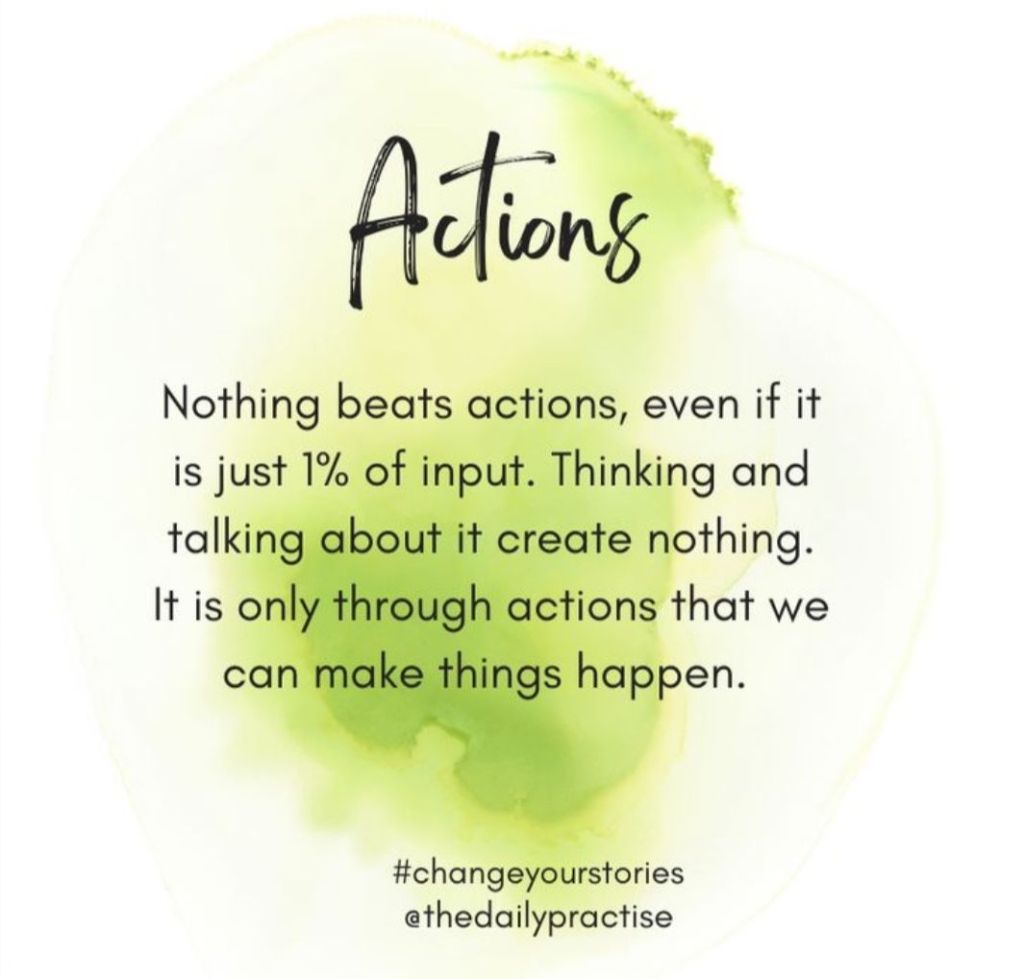
1. Don’t start something before finishing it.
I have been listening to lots of Jim Rohn lately and wondered why I’m just learning about him now. But as the old adage goes, it’s better late than never. And maybe now is just the perfect time.
- Do not start the year if you have not finished it.
- Do not start the month if you have not finished it.
- Do not start the week if you have not finished it.
- Do not start the day if you have not finished it.
So basically, the above pointers are inclined towards planning. Finish the year, the month, the week, the day first, then begin it. It’s more like having the end in mind first. Once you are happy with it, then begin.
I don’t know if this makes sense, but essentially, it’s about planning first. If you’re working on a daily plan, plan it right from the beginning to the end of it. What will you do with your day fruitfully, right from when you wake up, till the time you retire to bed? Once you are happy with your day, then you can begin it. Same analogy for the week, month, and the year as well. Whichever suits, ensure you don’t start it before ending it. Take into consideration challenges along the way. Supposing things don’t go as planned. Then, possibly within your plans, you might have left some room for challenges. So that even as the unforeseeable comes, you had already catered for that in your initial plans, so handling those challenges wouldn’t be a big deal.
So don’t start anything before finishing it. I couldn’t say it any better.
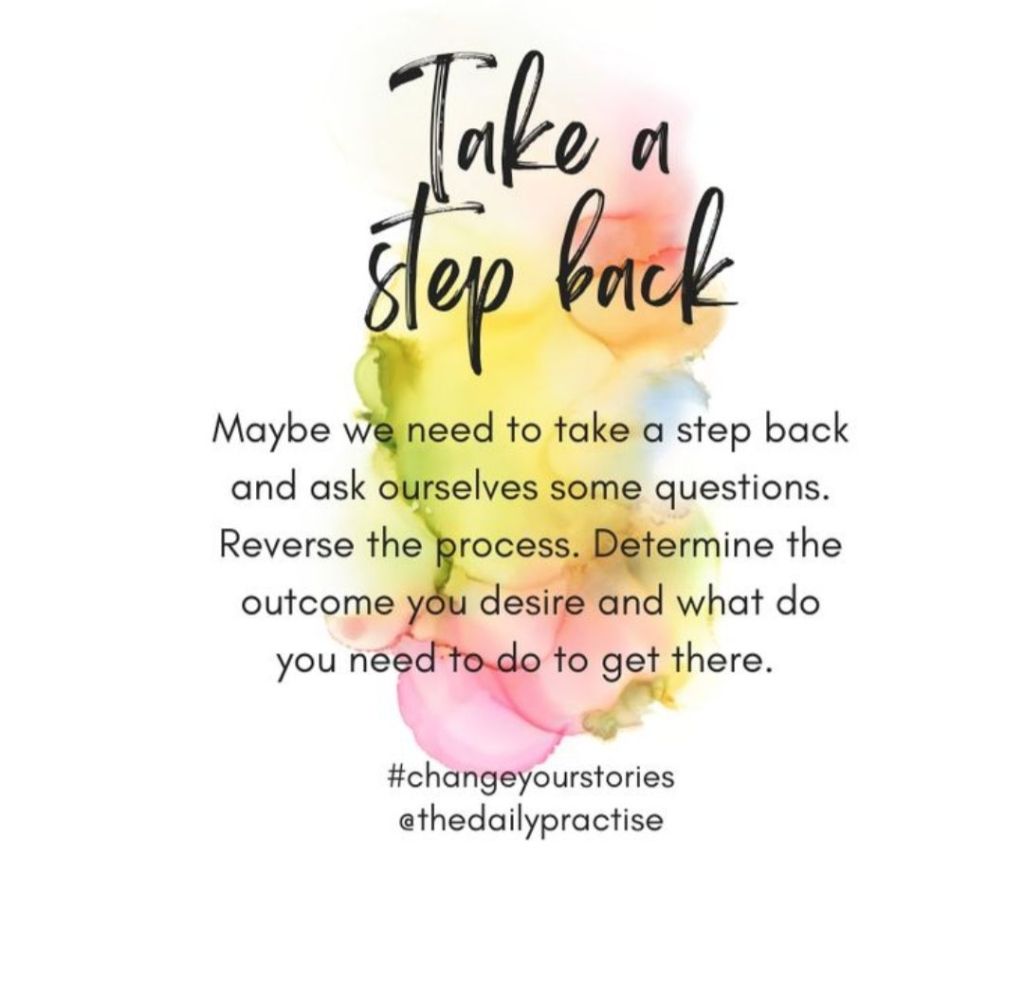
2. Writing your goals down is important because you speak life into them.
Always write down your goals. I cannot emphasize this. I’m sure you already know. Because I’d love to believe that my readers are elite. One partial thing I learnt last year was that, in addition to writing them down, also put timelines. For example. If your goal is to lose weight (isn’t this everyone else’s goal at this time of the year, though). How exactly would you like to lose the weight? So, a typical way we have been putting this down, as part of your resolves, is something like, “I’d like to lose weight in 2026.” And we end it there. Simply, we are saying we are living it up to chance to lose weight. In fact, what we are saying is, we are wishing for a miracle in 2026 to catapult our weight loss. Again, you see why we have never lost this weight. So, what I learnt is to speak some more life into this goal. Make it real. Give it a deadline. A timeline, even. For instance, say it like, I’ll be weighing 65kg in November 2026. The goal is SMART. It’s specific, it’s measurable, it’s accurate, it’s realistic, and Timely. Well, the intention was not to teach you how to be smart with your goals but rather to write something down that’s articulate enough to push you towards achieving it. That way, it gives you something Ideal to look forward to. Essentially, look at the goals you have written down, and make them more accurate. Including the time when you will be achieving them. And those that need a specific place, include that too. E.g., Say, I am making my first business post on Instagram at 8:00 pm on 21st January. That timeline essentially helps you to be on course.

3. Break down your goals into short term, medium term and long term.
Truth be told, some goals have been deemed unachievable because they are long-term goals. But have been given a short-term timeline. Categorize your goals. For all the horizons. I am a victim myself. Knowing very well how much I could have beaten myself for not achieving something that needed years and years to accomplish, yet I gave those goals a short horizon. It’s like a basket. Out of the goals written down. See which ones need what amount of time to accomplish. Essentially, our call to action is, put each goal into the basket it belongs to. Then start out your workout plan to see how exactly you will work on achieving them. Equally, some goals are easily achievable, implying that they can be classified as short-term goals, but instead they are dragged out way too long which makes them impossible to accomplish. Purpose to be a dreamer. I struggle with longevity. Not knowing maybe what exactly I should be doing in the next 20 years. That’s a long term goal. Sometimes we limit ourselves to just short term goals. My challenge picked for the year is, plan your goals like an adult and believe them like a child. The sure bet way to have long term goals is to dream on. Dream the wildest you can. And believing the possibility of achieving it.
4. Classify those goals further. ( Academic, Spiritual, Financial, Health, Fitness,Self care, Social life, personal development etc)
Technically, these could be some of the classifications of my own goals; customize yours to your liking. But the gist here is to have a title for your goals, then write the different things you’d like to achieve within those titles. Again, maintaining the rhythm of longevity, medium or short term. For example,
Academic
- I will be completing my master’s degree in December 2025(what I wrote last year was that I would be graduating in December 2025 at the University of Nairobi)
- I will start my PhD program in September 2028
- I will start working on my thesis in June 2027
- I will be sitting for my CISI exam in May 2026.
- I will be taking a baking course from Little Cake Girl in March 2026.
And so forth. These are just examples of writing down your goals against a title.
Let’s try Social
- I will be meeting my chama friends for a monthly brunch on the first Sunday of the Month at Kempinski.
- I will attend my cousin’s Emily’s wedding in April 2027
- I will travel to Zanzibar in September 2027
- I am intentionally reaching out to a friend weekly just to check on them…
And so forth. You get the gist. That way, what you put down not only guides, but also brings much clarity into your goal setting. Try the different goals you have. And watch them pressurize you towards achieving them.

5. Bring God along these goals you are setting .
There’s one story that says, if you want God to laugh, tell Him your plans. I’m sure He’s having a good laugh too, even as I write these. Because we know that He’s the ultimate planner. But He also needs to know we trust Him so much that we, too, make plans. We can only ask Him to guide us further, even as we plan. Never forget to commit your goals to our Father in heaven, who is the accomplisher of these goals. Pray along too as you make plans. Because sometimes it’s through the commitment of prayer that these goals come to pass. And the same commitment that steers us towards achieving these goals. So, I can’t overemphasize, Bring Your Creator along.

6. Revisit these goals every so often.
Well, we all know how it goes. The cute journals and notebooks we buy every year to write our goals, our resolutions in, how often do we look at what we wrote early in the year? What I did last year and what I intend to do this year, too, is get a notebook that you can carry with you everywhere. Open it from time to time. See if you are on track or maybe veered off them. It’s the accountable partner in the interim. Just like with every plan, it’s good to get something or someone accountable. And one accountable way to do this, check in every so often to see if you are on course or veered off. As simple as it is, don’t take your time to craft award-winning goals only to shove that notebook away. Let it be within your vicinity, where you can always check on it from time to time. Find a rhythm of when and how you’d be doing this. Will it be weekly, monthly, or daily?
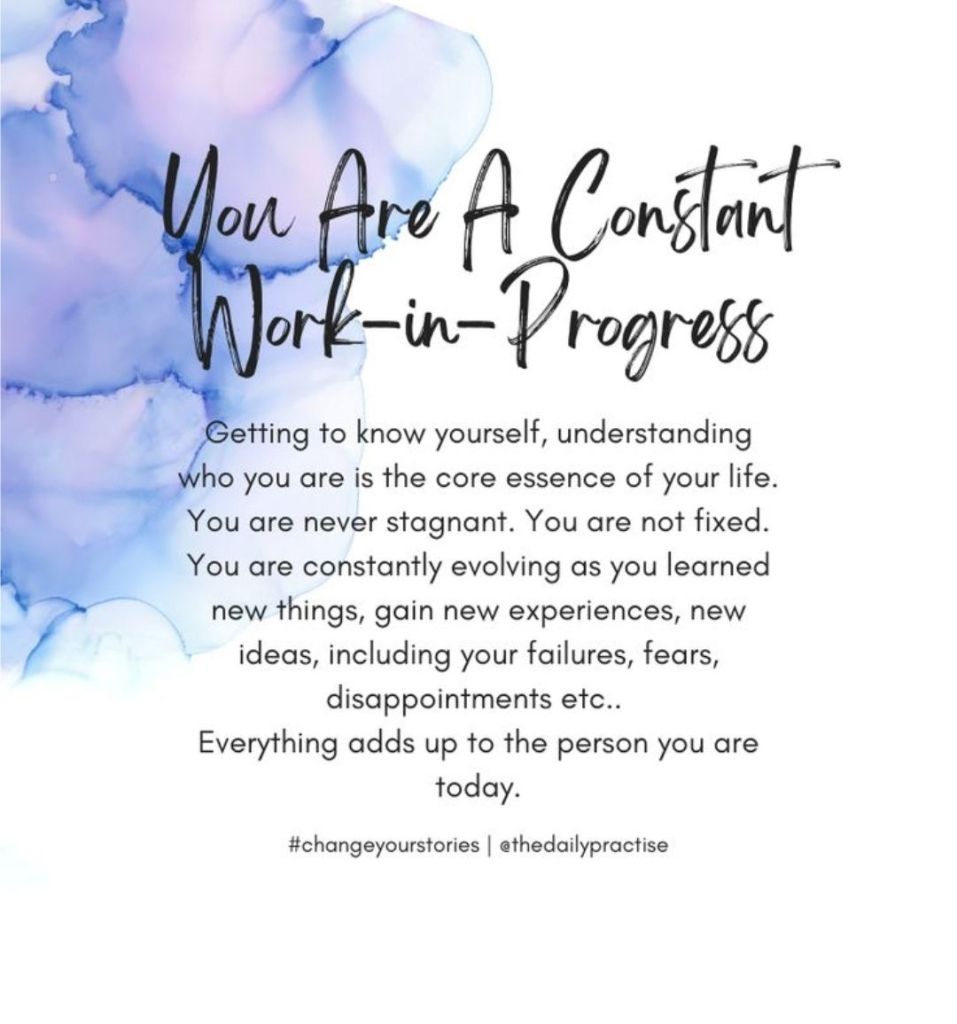
7. Have fun as you write your goals.
One thing that sometimes keeps me sane is the knowledge that it’s never that serious. Even as you do a serious thing like resetting, please ensure to have fun while at it. I also believe we have one life to live, so ensure you have fun alongside.
8. Other things to do that are reset worthy,
Decluttering – Take time, go through stuff in your home, start with the simplest, your closet. Clothes that no longer fit, or worn in the last year, why are they still in your closet? Do you really need them? Shoes as well, ornaments, and other garments.
Being intentional– Some of us are knackers for planning, but never good at being executors. being intentional to do those that we have set out to do. Everything worthwhile starts with intent.
Track progress- As we often casually say, progress over perfection. It’s important to check how we are doing. Tracking the progress of what you are doing helps you to put a smiley face next to an accomplished goal.
Celebrate your wins -It doesn’t matter how minute or grand the win is; it’s important to celebrate the win. Celebrating implies that you have achieved a certain milestone, and being happy with the success achieved. So never skip celebrating. It gives you the momentum to keep smashing those goals as they come.
Acknowledge the pains– Trust me, unless you live in utopia, there’s never perfection on earth. Despite all the planning, you still won’t miss a chance when something doesn’t go your way. And when you meet failure face to face, it’s imperative to acknowledge it and learn from it, so that next time you know what to do or what to avoid. But never dwell too much on failure, just acknowledge it, but don’t ignore it. Sometimes the greatest successes come from the lessons learnt from the failed projects.
Block time for your non-negotiables. – Identify your non-negotiables. What are some of the things that are a must-do on either a daily basis, weekly, monthly, or yearly, that you must do regardless? Make sure you block time and do them. If you must walk daily, if you must read daily, if you must exercise daily, if you must write weekly, if you must practice your piano weekly, if you must do a certain review monthly, if you must tithe monthly, if you must go for a medical checkup yearly,, all these are possible to achieve, if you purposefully block the time for them.
Other intentions;
*Being selfish with the company we keep.
*Being Choosey with the people we let in our lives.
*Being Choosey with the content we follow. Is it teaching you anything? Is it educative? Is it making you laugh? Does it drain your energy?
*Being Choosey with protecting your energy. Your mental well-being.
*Being Choosey with protecting your time. How you are spending it. What do you spend your time on? Remember the old adage again, time wasted can never be recovered. So spend it wisely.
*Being Choosey with the conversations we hold. If it doesn’t fit well with you know when to halt, or when to walk away. Protect your energy at all costs.
*Being Choosey with where you spend your money 😉
None of these pointers in here is new. They are things which you already know. But a reminder of the same doesn’t hurt, does it? After all, we are resetting together, right?
All the best.
Happy New Year, dear readers. Hopefully, I intend to stay here just a little bit more.
Be intentional with yourself.
 sensesNhumor